

モノクロしか撮れないカメラでどう撮るか
How to Shoot with a Camera That Only Sees in Monochrome
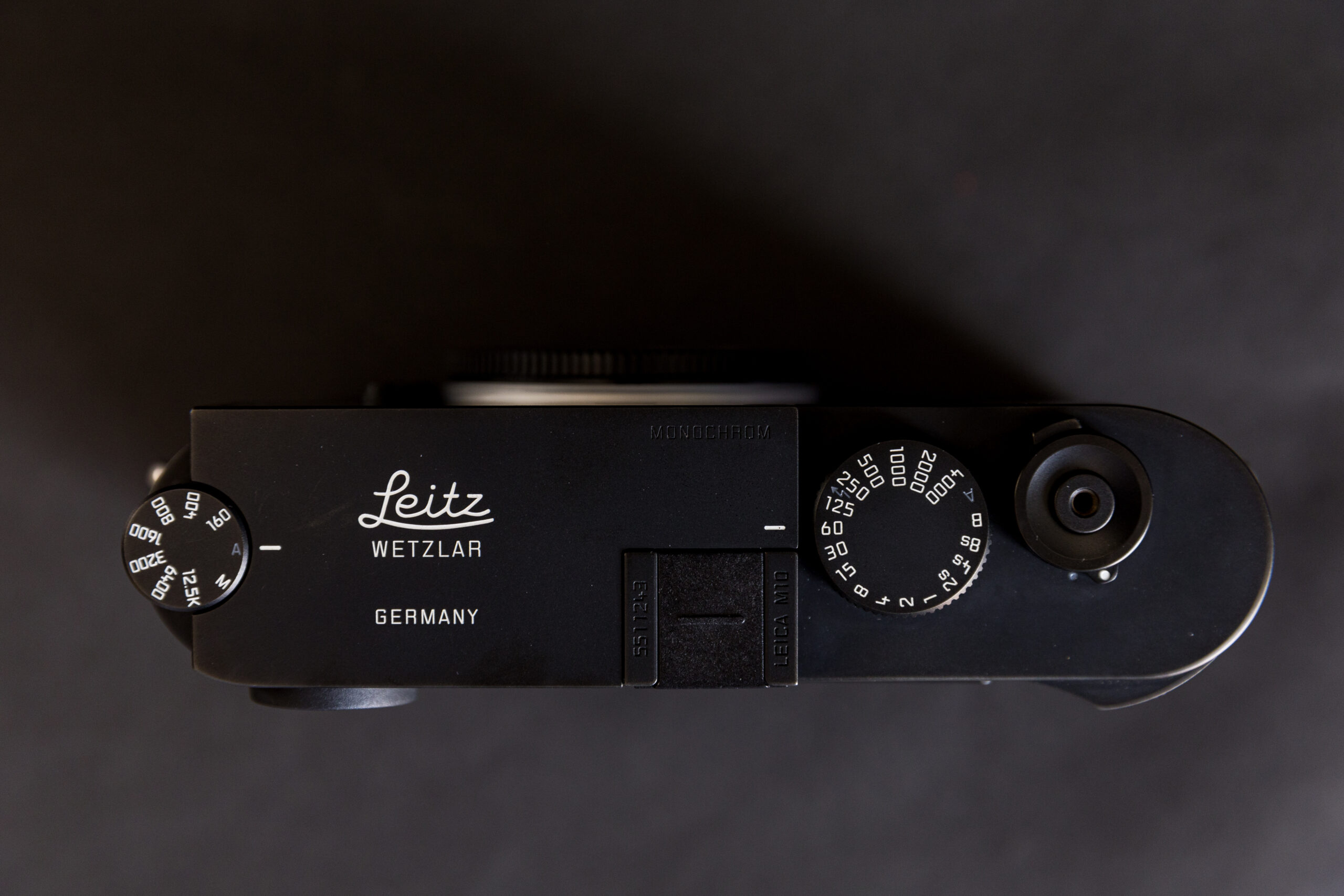
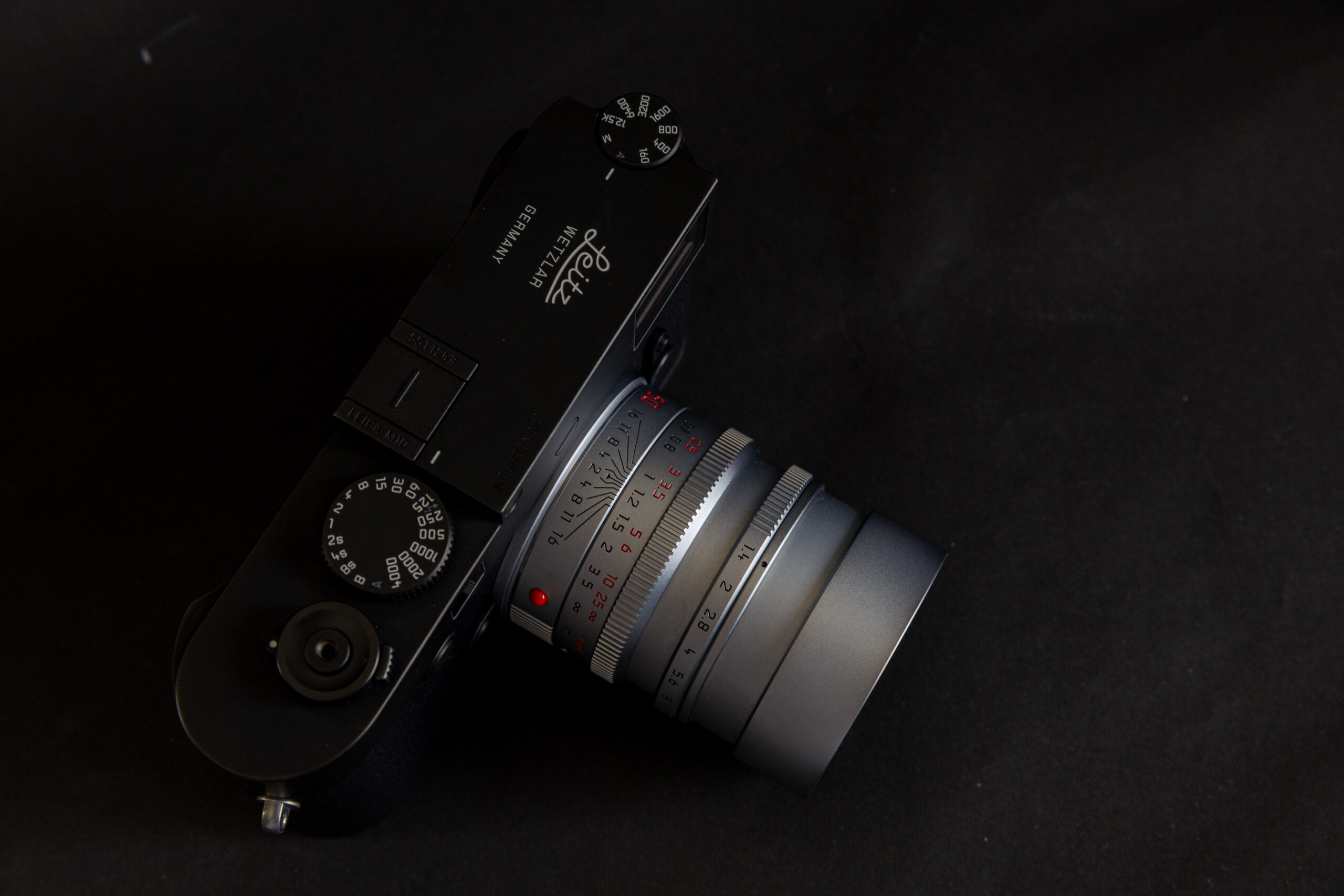
いくら頑張ってもモノクロしか撮ることができないカメラ、Leica M10 Monochrom。
The Leica M10 Monochrom—a camera that, no matter how hard you try, can only capture the world in black and white.
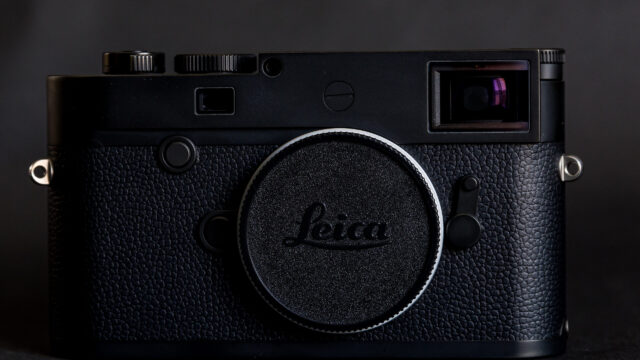
ここ数日、このカメラを常に持ち歩いているのですが……結論から言うと、本当に楽しいカメラです。
I’ve been carrying it around with me for the past few days, and to put it simply: it’s an incredibly fun camera.
もちろん、カラーフィルターが省かれているがゆえの不便なことも多々ありますが、そのあたりについてはおいおい書いていこうと思います。
Of course, stripping away the color filter brings its fair share of inconveniences, but I’ll save those details for another time.
今回は、この新しく手にしたM10 Monochromを使って、ポートレートでは一体どのような写真を撮ることができるのか。 shadow と light の表現をメインに据えて、果たしてこのカメラが自分にとっての「正解」だったのかを確かめるために、日向恵理さんを被写体に迎えて撮影に連れ出してみました。
This time, featuring Eri Hinata as my muse, I wanted to see what kind of portraits I could create with this newly acquired M10 Monochrom, focusing heavily on light and shadow. I took it out to discover whether this camera was truly the “right answer” for me.
- 今回の機材 / The Gear
- 光と影を追い求めて江ノ島へ / Heading to Enoshima in Pursuit of Light and Shadow
- SL2-S + Summilux 35mm f1.4 4thで撮るカラーの世界 / The World of Color Captured by SL2-S + Summilux 35mm f1.4 4th
- その場の「空気感」も含めて / Capturing the “Atmosphere” of the Space
- 結論:色は写らないが、色を想像させる一枚を撮るカメラ / Conclusion: A Camera That Shoots No Color, Yet Makes You Imagine It
今回の機材 / The Gear
1. M10 Monochrom + Summilux 50mm f1.4 2nd
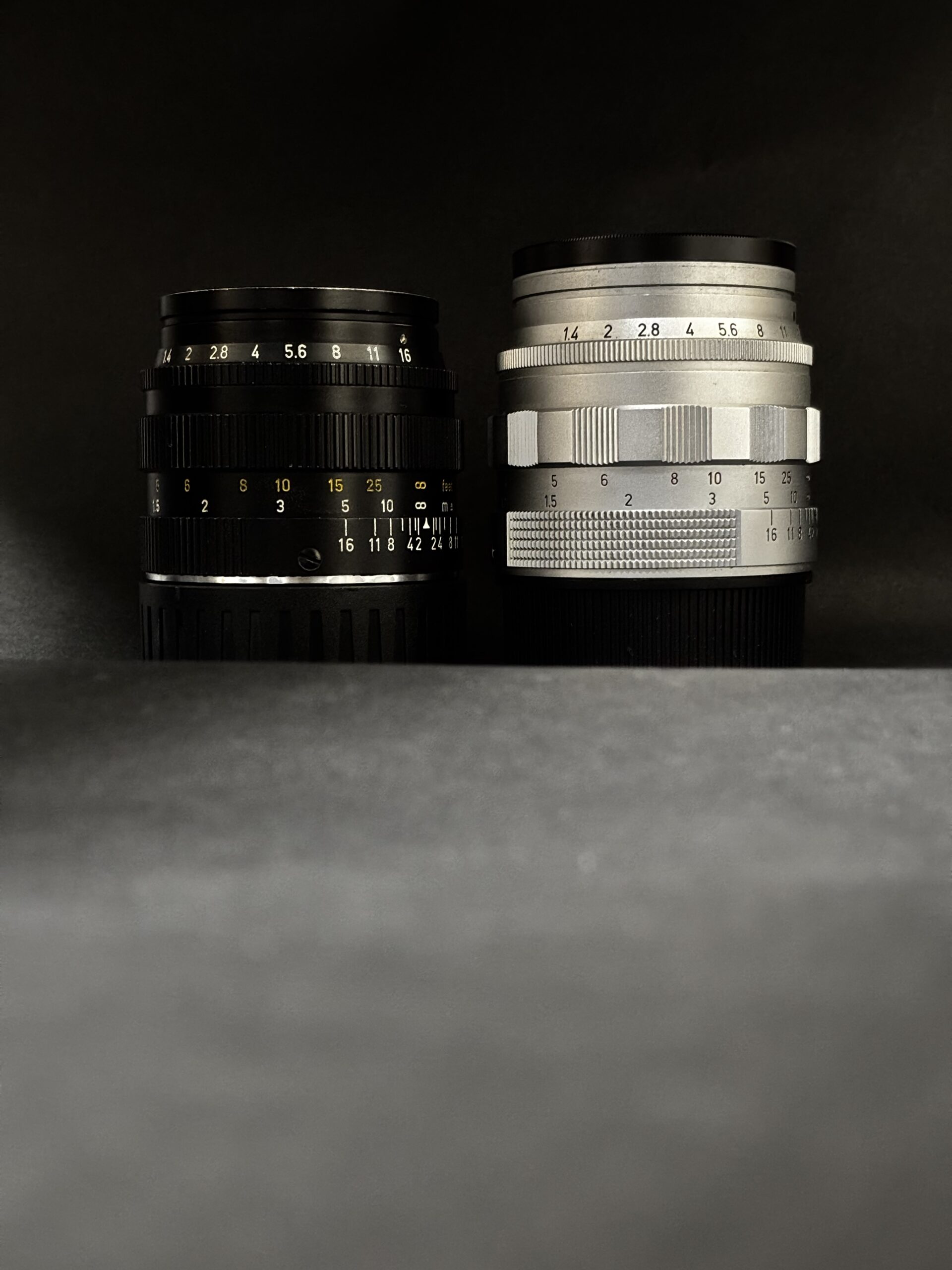
今回組み合わせることにしたのは、ズミルックス50mmの2ndモデル。
For this session, I decided to pair the body with the Summilux 50mm f1.4 2nd generation.
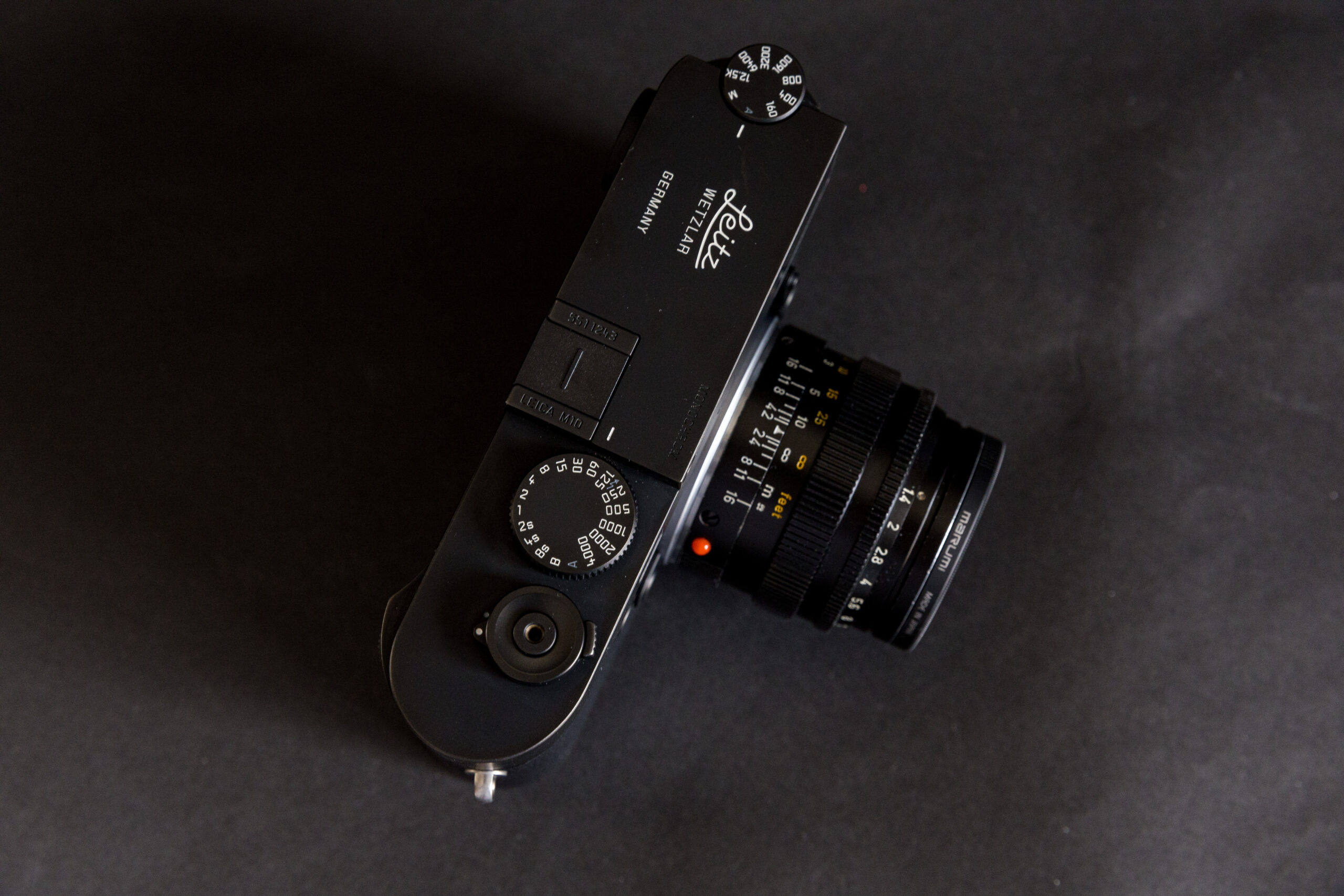
本当はSummilux 35mm 4th(ASPH.)を使いたかったのですが、以前使った際に「ちょっと写りすぎる(解像しすぎる)」ように感じていました。カラーフィルターが省かれた4000万画素のモノクロセンサーに、非球面レンズを搭載したズミルックスを組み合わせるのですから、当然といえば当然の結果なのですが……。
I originally wanted to use the Summilux 35mm 4th (ASPH.), but the last time I used it, it felt like it “resolved a bit too much.” Pairing an aspherical Summilux with a 40-megapixel monochrome sensor that lacks a color filter naturally yields that kind of clinical sharpness.
かといって、Summilux 50mm 1st(貴婦人)までいくと、少し演出感が強すぎてしまう。そう考えた結果、今回はあえて演出を控えめにしつつ、デジタルに写りすぎない絶妙なバランスを持つ2ndとの組み合わせを選びました。
On the other hand, going with the Summilux 50mm 1st felt a bit too heavy on the dramatic, stylized look. Ultimately, I chose the 2nd generation—a lens that strikes a perfect balance, keeping the rendering understated without looking overly digital.
2. Leica SL2-S + Summilux 35mm f1.4 4th
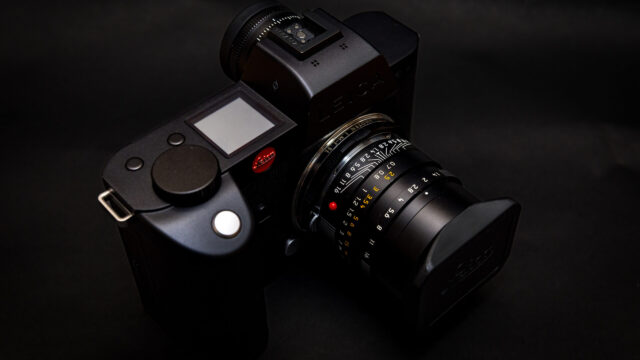
そうは言っても、現場ではカラーで残したい場面や、少し広く引きで撮りたい場面も出てきます。そこで、サブ機としてSL2-Sとズミルックス35mm 4thの組み合わせも用意しました。実はこの組み合わせ、個人的にめちゃくちゃ好きなんですよね。
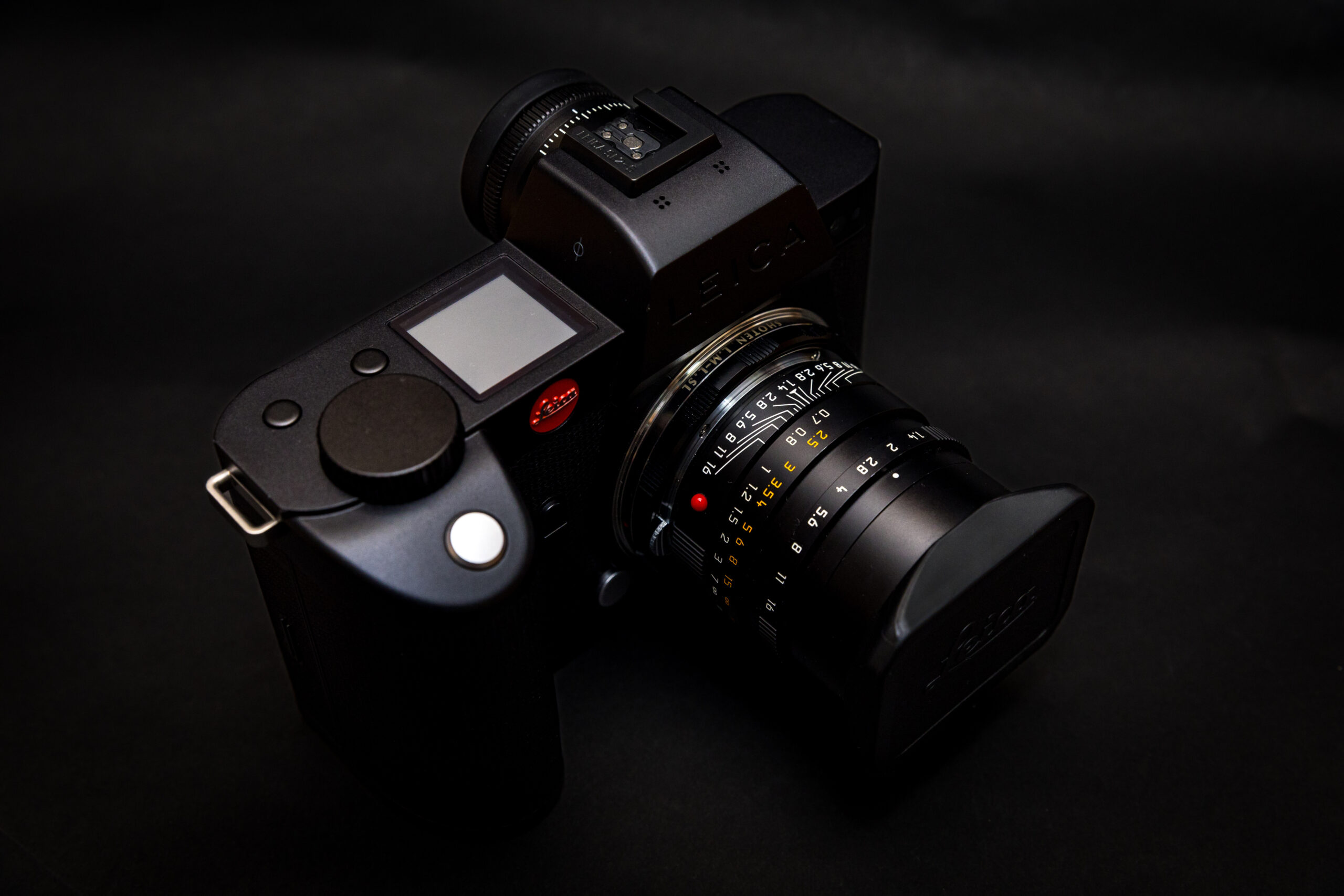
That said, there are always moments on location where you need color or want a wider perspective. To cover those bases, I brought along the Leica SL2-S paired with the Summilux 35mm 4th as my secondary setup. Honestly, I absolutely love this combination.
3. Canon EOS R3 + EF300mm F2.8L IS II USM
フラッグシップのR3には、やっぱりこの「サンニッパ」ですね。もちろん70-200mmの方が小さくて便利ですし、手元で簡単に焦点距離を変えられる良さはあります。ただ、ズームレンズって便利すぎて、どこか「つまらない」と感じてしまう自分がいるんです。
For the flagship R3, nothing beats the “Sannippa” (300mm f/2.8). Sure, a 70-200mm is smaller and far more convenient, allowing you to flick through focal lengths instantly. But sometimes, zoom lenses are so convenient that they feel a bit uninspiring to me.

ファインダーを覗きながら、自分の足で前後に動いて画角を調整していく。そのプロセス自体が楽しいんですよね。スタジオ撮影なら迷わず70-200mmを選びますが、ロケ(外撮り)なら迷わず300mm一択です。
Peering through the viewfinder, moving your own feet forward and back to frame the shot—that raw process is where the joy is. In a studio setting, I wouldn’t hesitate to use a 70-200mm, but out in the open air, the 300mm is my only choice.
光と影を追い求めて江ノ島へ / Heading to Enoshima in Pursuit of Light and Shadow
今回のロケ地は江ノ島。ビル群のように太陽の光を遮るものが何もない開けた場所なので、もしかしたら「光と影」をメインに撮るにはあまり向いていないかも、という懸念はありました。ただ、これまでとは違うロケーションで撮りたかったこと、環境が変わる夏になると人も多くなって撮影どころではなくなるな、という先読みもあり、このタイミングでの大いなるチョイスです。
We headed to Enoshima for the shoot. Since it’s a wide-open area with no high-rises to block the sun, I was slightly concerned it might not suit a shoot centered on “light and shadow.” However, driven by a desire to shoot in a fresh location, and knowing the summer crowds would soon make shooting impossible, it felt like the perfect timing to make this choice.
モノクロ縛りで撮っていると、本来なら「こういうカットはカラーの方が映えるだろうな」と思う場面にも出会います。でも、そこはあえてモノクロで撮ることで、写真を見る人に「勝手に脳内で色を想像してもらう」というのも、表現として大いにありだと思うんです。
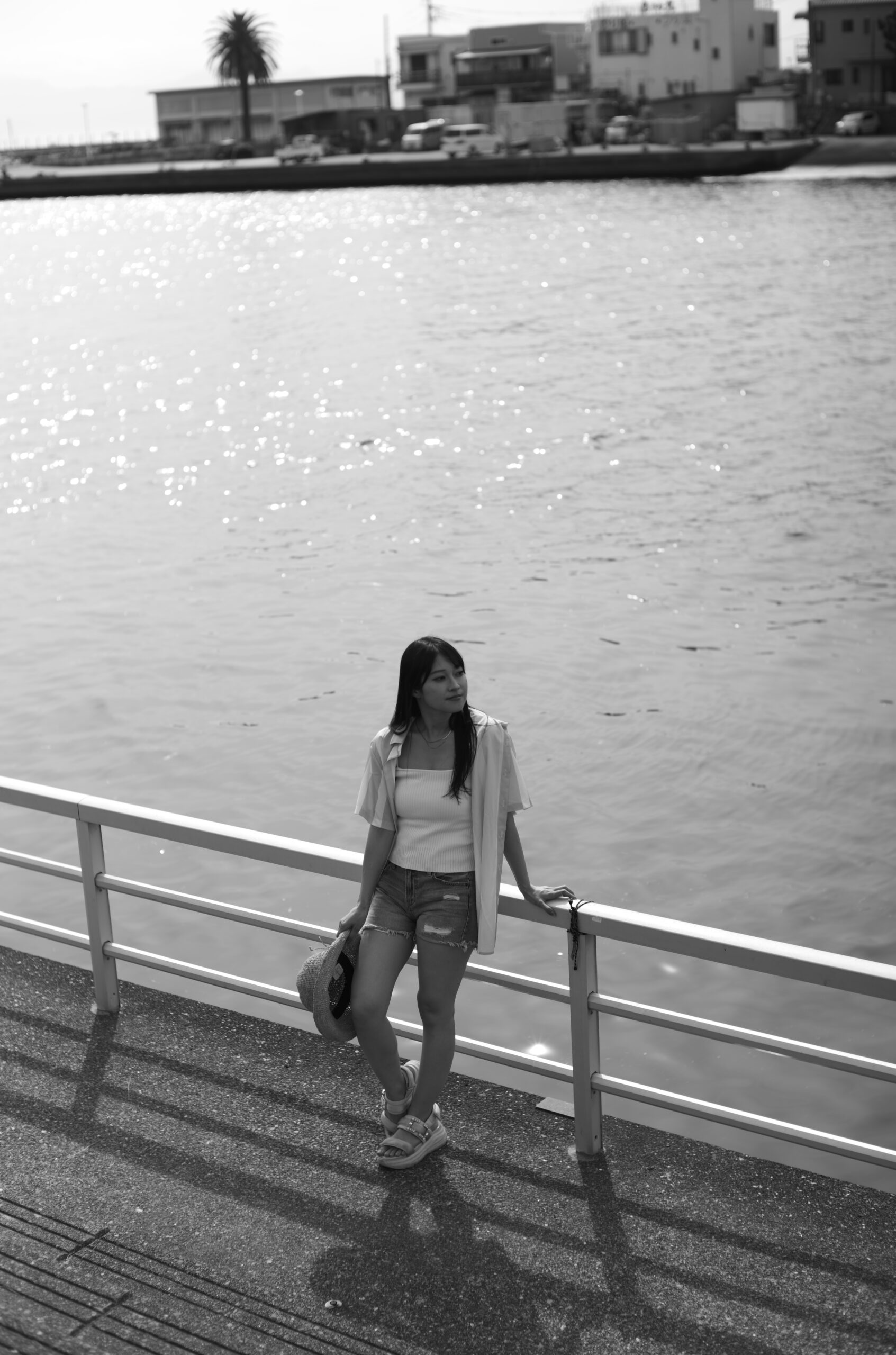
When you limit yourself strictly to monochrome, you inevitably encounter scenes where you think, “This would look beautiful in color.” Yet, by intentionally capturing it in black and white, it allows the viewer to instinctively paint the colors in their own mind—a completely valid and powerful form of photographic expression.
そして何より素晴らしいのが、光の強弱(輝度)が一切の間引きなしで、そのままダイレクトに描かれること。それは、単純な「白と黒」だけの2階調の世界ではありません。
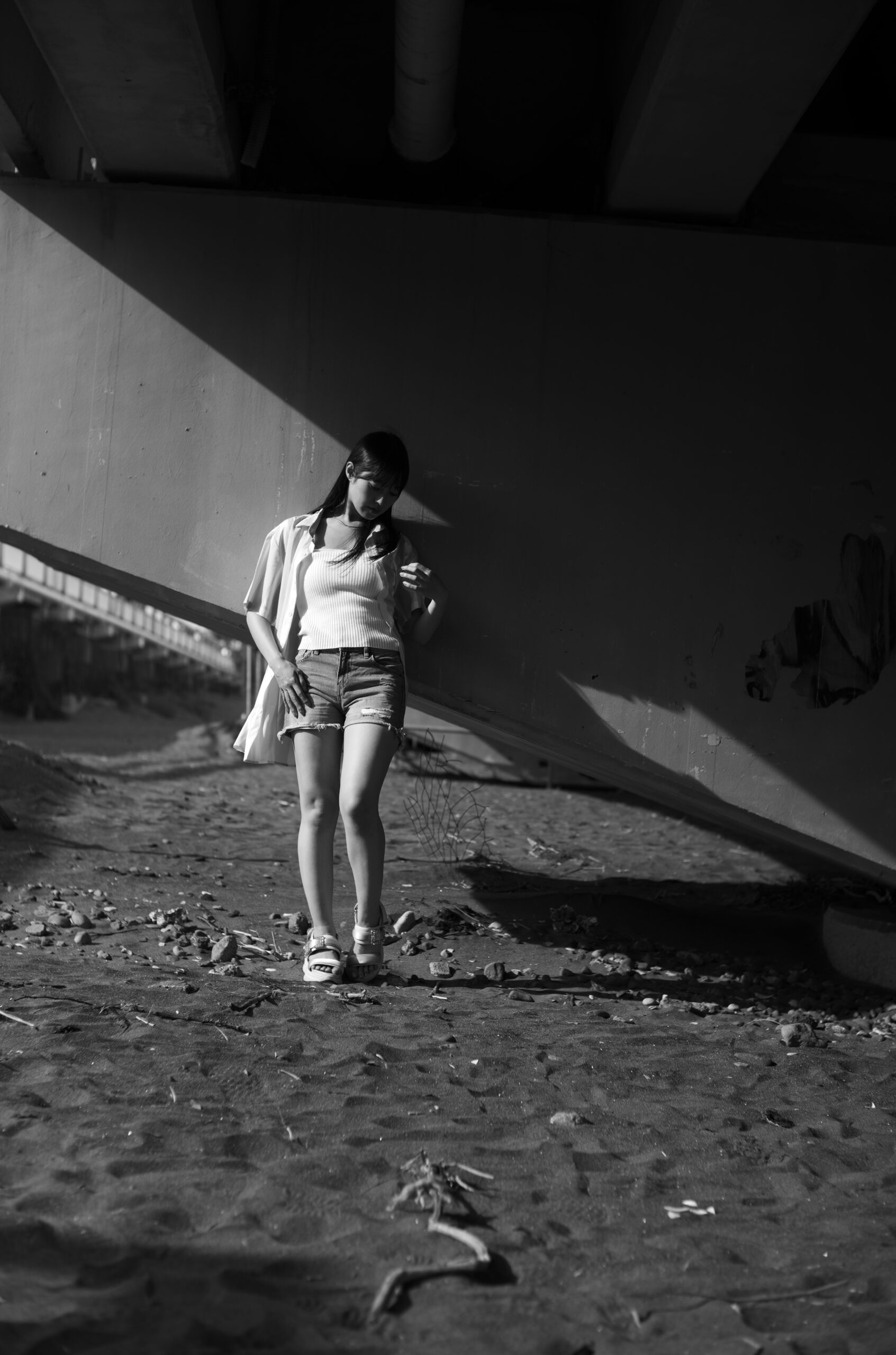
And above all, what’s truly magnificent is how the pure intensity of light (luminance) is rendered directly, without any interpolation or data filtering. It is far from a simplistic, two-toned world of mere black and white.
空や雲もすべて白黒のトーンで表現されるわけですが、カラーフィルターを通さないからこそ、素直で微細なグラデーションが残る。その描写がもたらす、何とも言えない上品な湿度感が本当にたまらないのです。余計な色情報に惑わされず、純粋に「光と影」だけに集中できるからこそ、良い絵が撮れるのだと実感します。
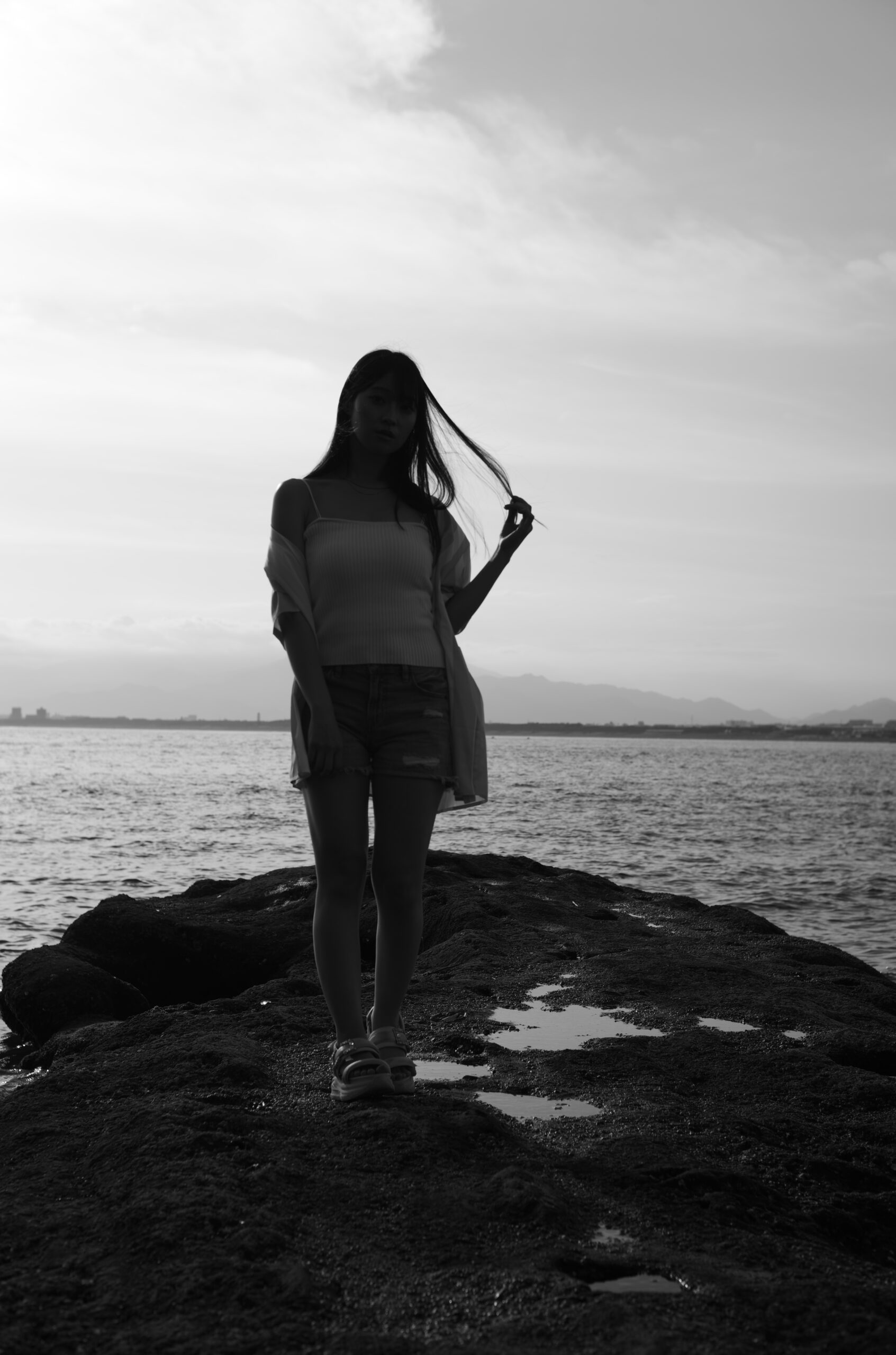
Even the sky and the clouds are articulated entirely in shades of gray, but because the light doesn’t pass through a color filter, it retains an honest, microscopic gradation. The rendering possesses an indescribable, elegant sense of moisture that is utterly intoxicating. Free from the distraction of color data, you can focus purely on light and shadow, which truly elevates the final image.
ただし、ハイライトが非常に飛びやすいセンサーなので露出管理(白飛び対策)にはかなり神経を使います。基本的には少しアンダー目に撮おいて、RAW現像でシャドーを持ち上げるのがベースのワークフローになるかと思います。ただ、時にはそのルールを無視して、敢えてハイライトをパキッと飛ばして撮るのも、それはそれで表現としてありだなと感じました。
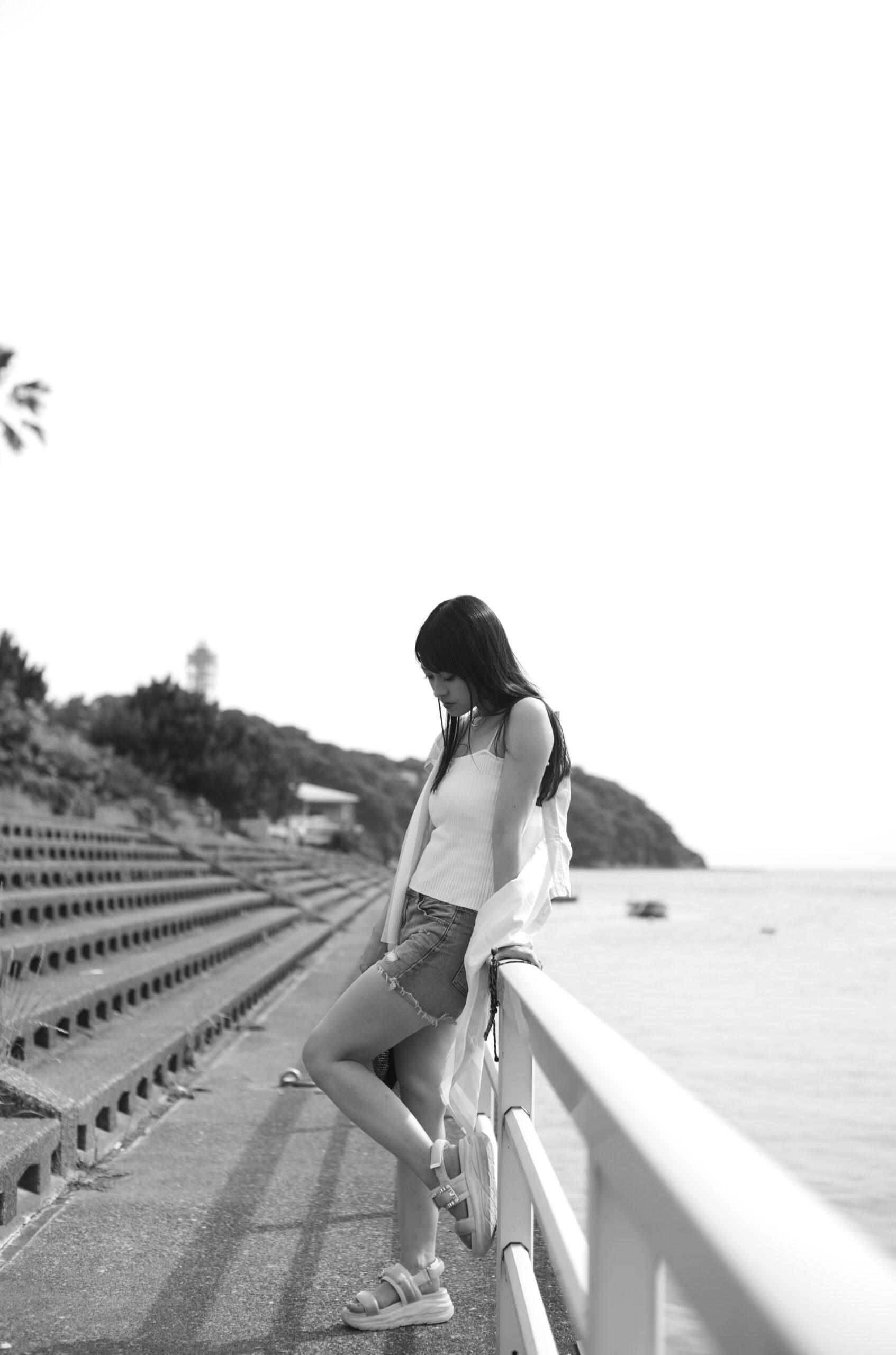
However, because this sensor is incredibly unforgiving with highlights, exposure management requires meticulous care to avoid clipping. The standard workflow is to shoot slightly underexposed and then lift the shadows during RAW development. Yet, occasionally breaking that rule and intentionally blowing out the highlights felt entirely justified as a creative choice.
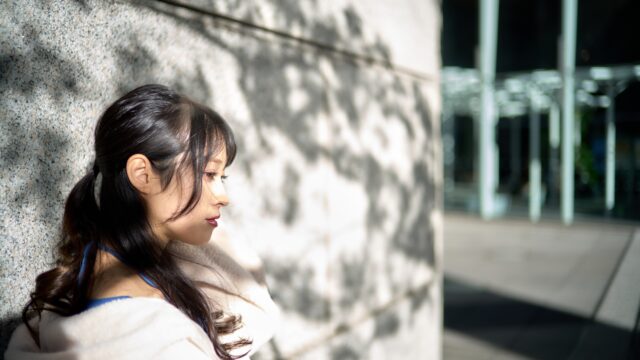
白と黒のグラデーションだけで構成されるからこそ、被写体である彼女の魅力や良さが、デジタルな誤魔化しなくダイレクトに描き出されます。
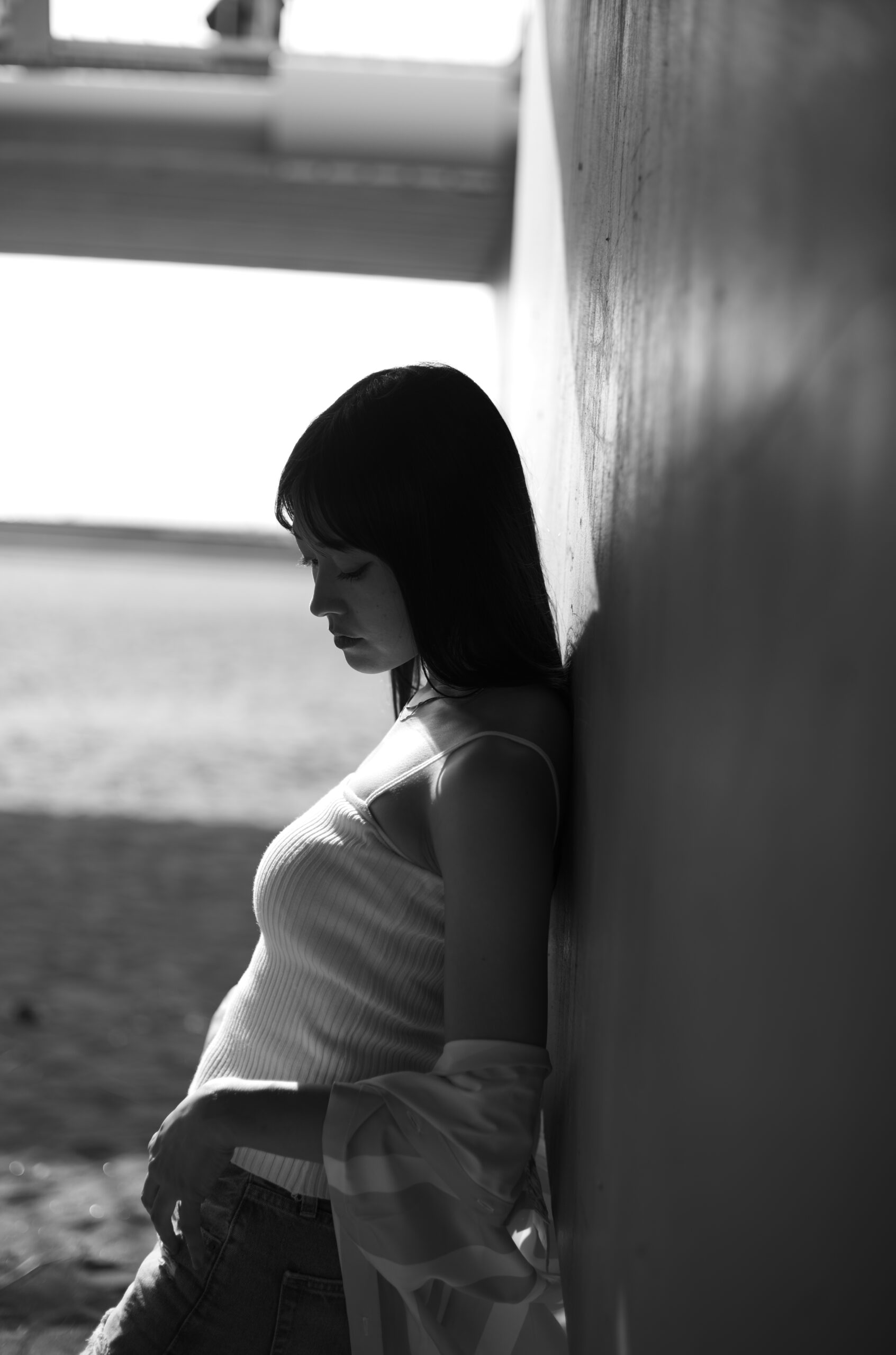
Stripped down to nothing but a grayscale gradient, her inherent charm and presence are drawn out directly, completely unmasked by digital trickery.
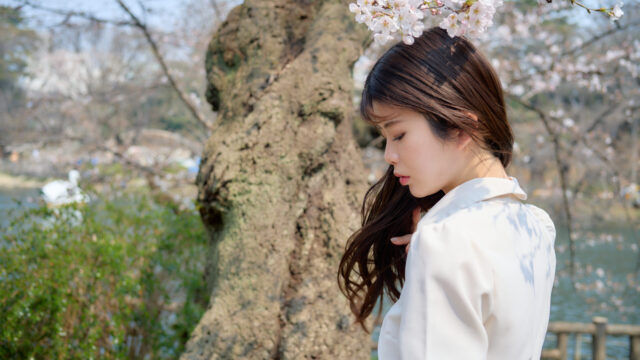
何より、この50〜60年前のオールドレンズ(ズミルックス 2nd)との組み合わせ、最高だと思いませんか?これがもし非球面レンズを使っている現行レンズだったら、もっと現代的にカリカリに写ってしまっていたはずです。このオールドな組み合わせだからこそ、この空気の溶け方が撮れたのかもしれません。
Above all, don’t you think this pairing with a 50-to-60-year-old vintage lens (Summilux 2nd) is just sublime? If this had been a modern lens utilizing aspherical elements, it would have turned out much sharper and clinical. It’s precisely because of this classic combination that we achieved this exquisite, melting quality of light.
SL2-S + Summilux 35mm f1.4 4thで撮るカラーの世界 / The World of Color Captured by SL2-S + Summilux 35mm f1.4 4th
今度は、カラー用として持って行ったSL2-Sと35mm 4thのカットです。先述の通り、この組み合わせが本当に好きでして。
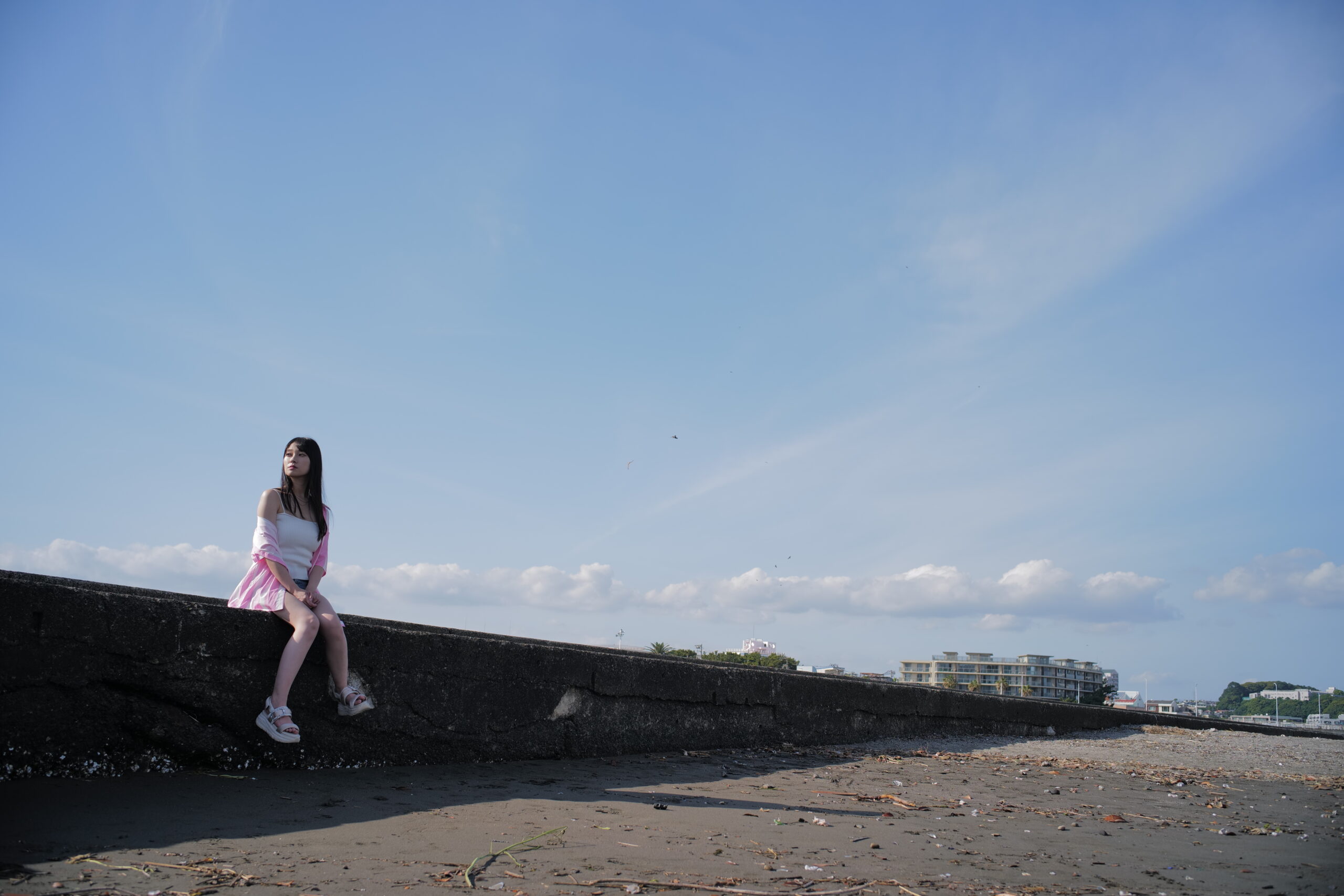
Next are the color frames captured with the SL2-S and the 35mm 4th that I brought along. As I mentioned earlier, I am deeply fond of this setup.
SL2-Sの「2400万画素」という程よく余裕のある画素数と、非球面レンズ(ASPH.)の端正な描写の組み合わせだからこそ、この絶妙なトーンが出るのかなと感じています。
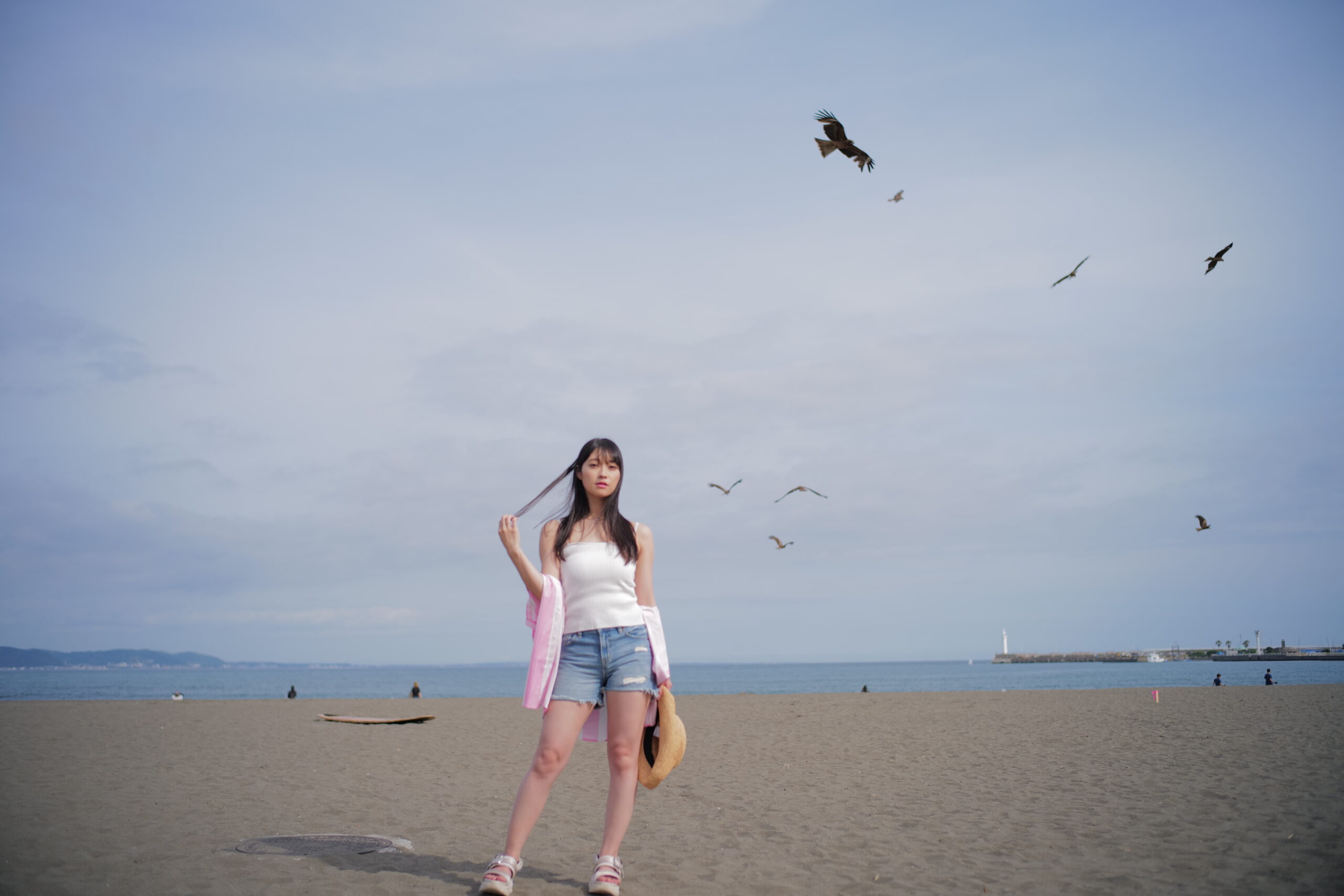
I feel this exquisite tone is born out of the harmony between the SL2-S’s modest, well-proportioned 24-megapixel sensor and the refined rendering of the aspherical glass.
モノクロで想像させる世界も良いですが、彼女の纏う衣装の鮮やかさや、江ノ島の空のリアルな色合いを含めて、色彩豊かに表現するのもまた、写真のもう一つの正解ですよね。
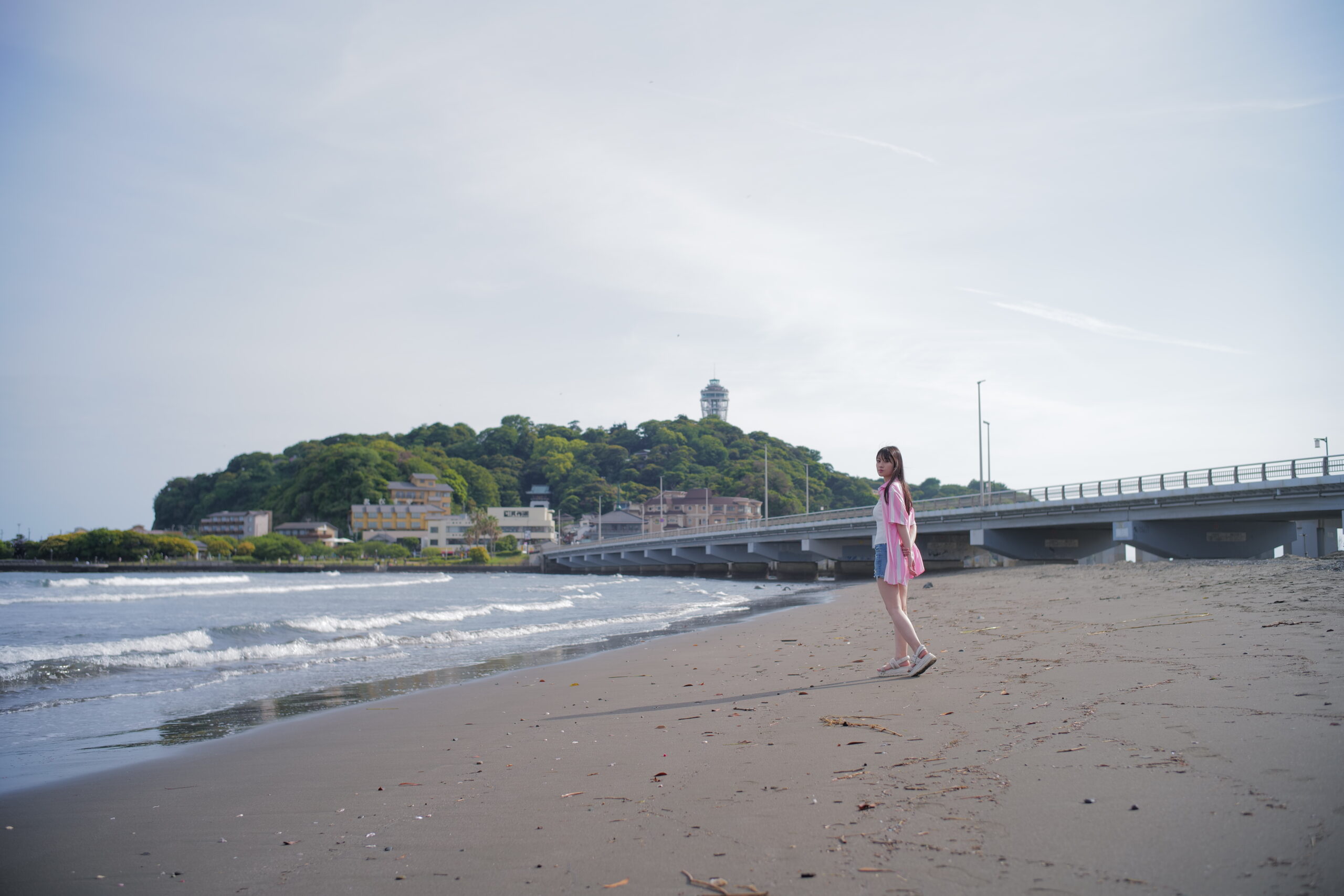
While inviting the viewer to imagine color in a monochrome world is beautiful, capturing the vividness of her outfit and the authentic hues of the Enoshima sky in full color is undeniably another perfect answer in photography.
その場の「空気感」も含めて / Capturing the “Atmosphere” of the Space
写真の世界ではよく「空気感」という言葉が使われますが、正直なところ、自分自身は「空気感って何だろう?」とよく分からなくなることがあります。だって、空気そのものはカメラに写らないわけですから。ただ、確実にそこにある「何か」を肌で感じる感覚、それ自体は間違いなく存在します。
In the photography world, people often throw around the word “atmosphere” (or *kuukikan* in Japanese). To be honest, I sometimes find myself wondering what it actually means. After all, the air itself doesn’t show up on a camera sensor. Yet, that distinct sensation of feeling “something” tangibly present in a space undeniably exists.
「空気感」はとても便利で使いやすい言葉ですが、その正体を自分の中で言語化できていない以上、安易にその言葉に逃げたくない、という思いがどこかにあります。
“Atmosphere” is a highly convenient and easy term to use, but as long as I can’t fully articulate its true nature within myself, a part of me refuses to take the easy way out by relying on it.
ただ、今回撮影しながらふと思ったのは、**「画面における被写体の割合が小さければ小さいほど、その周囲にある『空気感』の存在が大きく浮き上がってくるのではないか」**ということです。
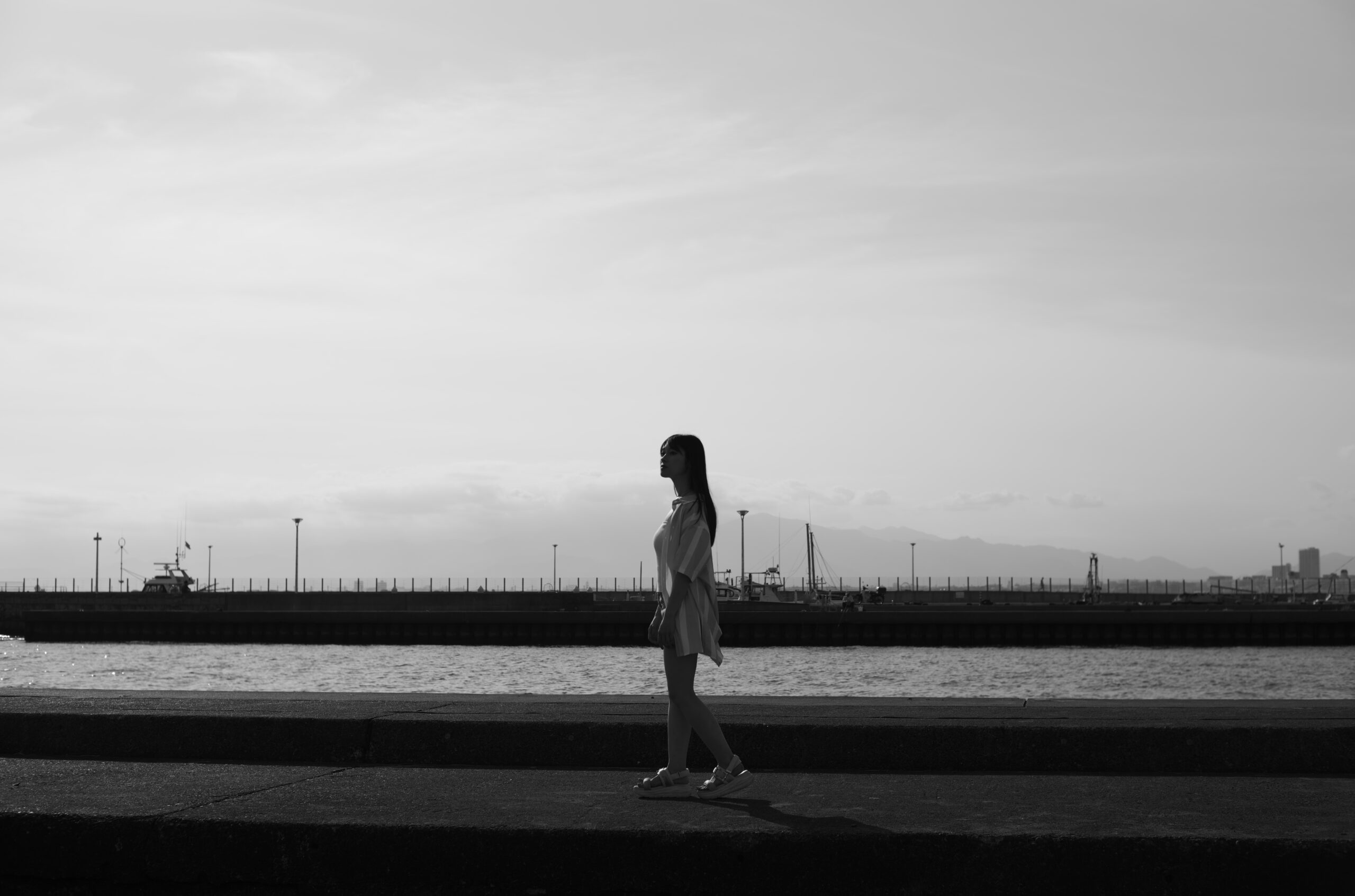
However, a thought struck me during this shoot: **”Perhaps the smaller the subject’s proportion within the frame, the larger the surrounding ‘atmosphere’ looms.”**
もちろん、ただ単に被写体を小さく写せばいいという単純な話ではありません。被写体と、その場の光、背景、長年培われた雰囲気が綺麗に一体化するあの瞬間。それを見つけ出すことこそが、自分なりの「空気感」への一つの答えなのかもしれない、と感じました。
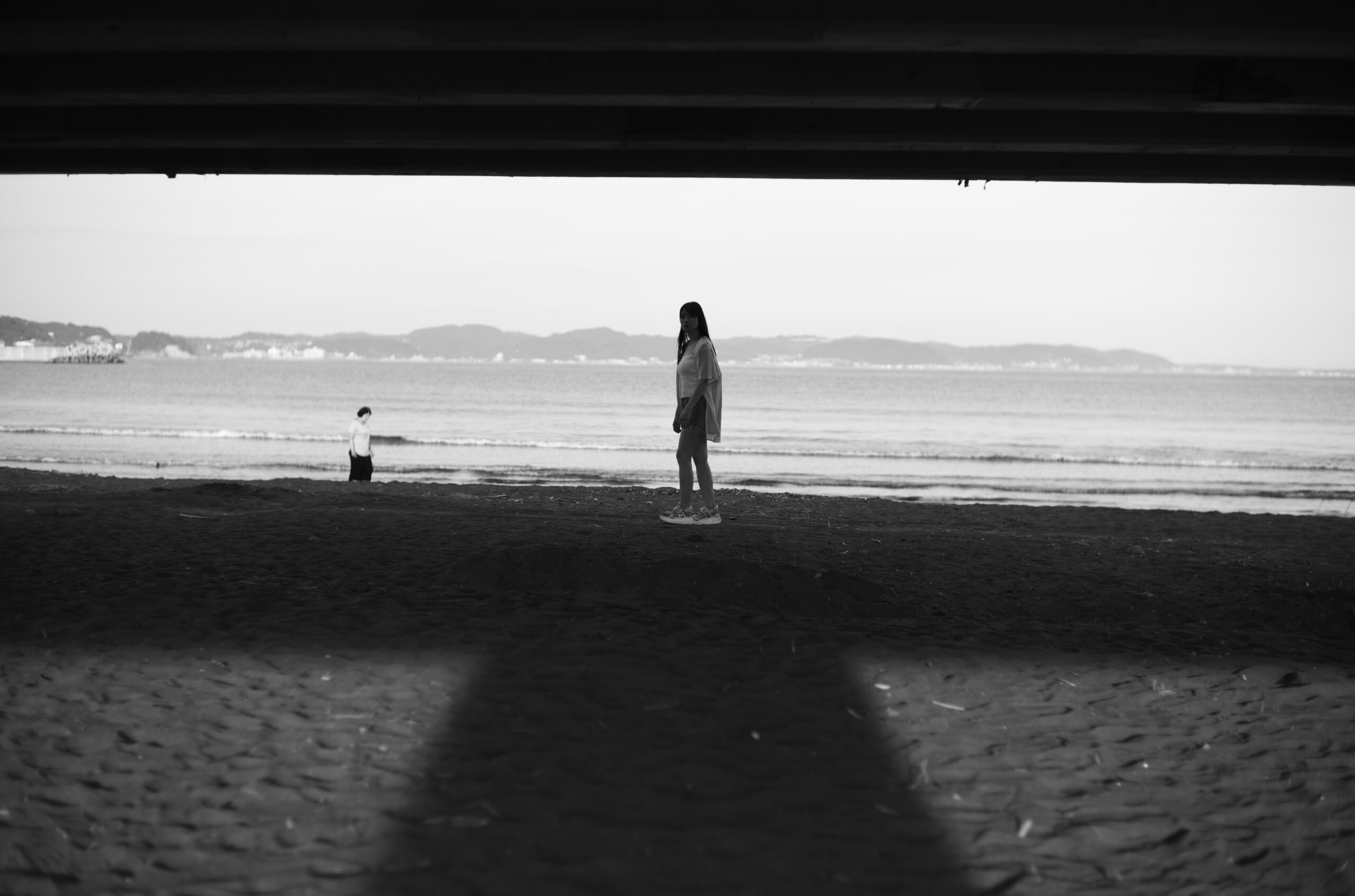
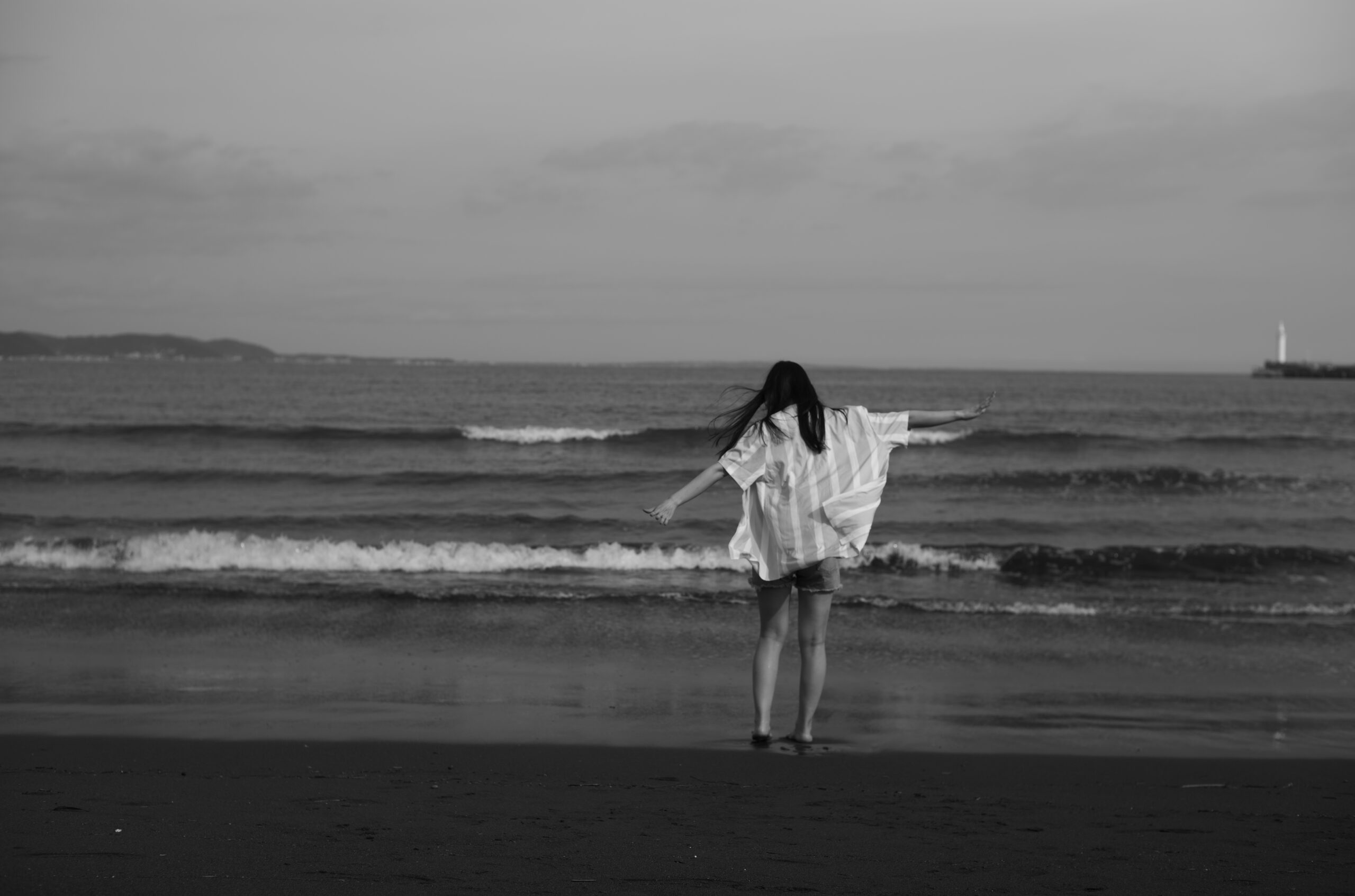
Of course, it’s not as simple as just making the subject tiny in the composition. It’s about that fleeting moment where the subject, the ambient light, the background, and the mood melt together into a singular entity. Finding that harmony might just be my personal answer to what “atmosphere” truly is.
結論:色は写らないが、色を想像させる一枚を撮るカメラ / Conclusion: A Camera That Shoots No Color, Yet Makes You Imagine It
結論として、Leica M10 Monochromは「色は写らないけれど、見る人に色を想像させる一枚」を撮ることができるカメラだと思います。
In conclusion, I believe the Leica M10 Monochrom is a camera that, while incapable of capturing color, possesses the unique power to make the viewer imagine it.
CanonやSONYといった現代の優秀なカラーカメラのクリエイティブスタイル(Mono)で撮るモノクロとは、根本的な生成過程(物理構造)が全く異なる本物のモノクローム。現像ソフトに持って行っても、調整できるのは明るさやコントラストに関する部分だけ。カラーミキサーで特定の色をいじるような、後からのデジタルな誤魔化しは一切効きません。
This is a pure, native monochrome whose underlying physics are fundamentally different from the monochrome picture profiles found in excellent modern color cameras from Canon or Sony. Even when you bring the RAW file into editing software, you can only manipulate parameters related to brightness and contrast. There is absolutely no room for digital trickery like tweaking specific color channels in a mixer later on.
しかし、だからこそ。「光と影」に対してこれほどストイックに、誠実に向き合えるカメラは他にないと思います。
Yet, that is precisely the point. There is no other camera that forces you to confront “light and shadow” with such raw, uncompromising honesty.
もちろん、「普通のカメラで撮るモノクロJPGと何が違うの?」とシビアに突っ込まれると、明確な言葉で返すのは難しいですし、「本当にこの高額なカメラが必要か?」と問われたら、正直返答に困ってしまいます(笑)。SL2-Sで撮るモノクロだって、十分に美しいのですから。
Of course, if someone critically asks, “How is this different from a monochrome JPEG from a standard camera?” it’s hard to articulate a definitive answer. And if asked, “Do you really need such an expensive camera?” I’d honestly be at a loss for words (laughs). After all, a monochrome shot from the SL2-S is already stunningly beautiful.
こればかりは、スタンス的に完全に「自己満足の世界」です。自分が写真に対してどこまでストイックに向き合いたいか、その覚悟を試されるカメラなのだと思います。
Ultimately, this belongs entirely to the “world of self-satisfaction.” It is a camera that tests your resolve—asking just how stoically and deeply you are willing to commit to your craft.
光あるところに影あり。
Where there is light, there is shadow.
画面の中に、意図的に影(陰)の要素を滑り込ませることで、写真にどこかミステリアスな、引き込まれる雰囲気が生まれます。そしてこれについては完全にモデル様の秘めている部分が大きく、それを見事に表現できる方だからこそ自分も安心して挑戦できます。誰でもいいと言うわけではなく、はじめましての人についてはモノクロで撮ることってかなり抵抗あるんですよね。
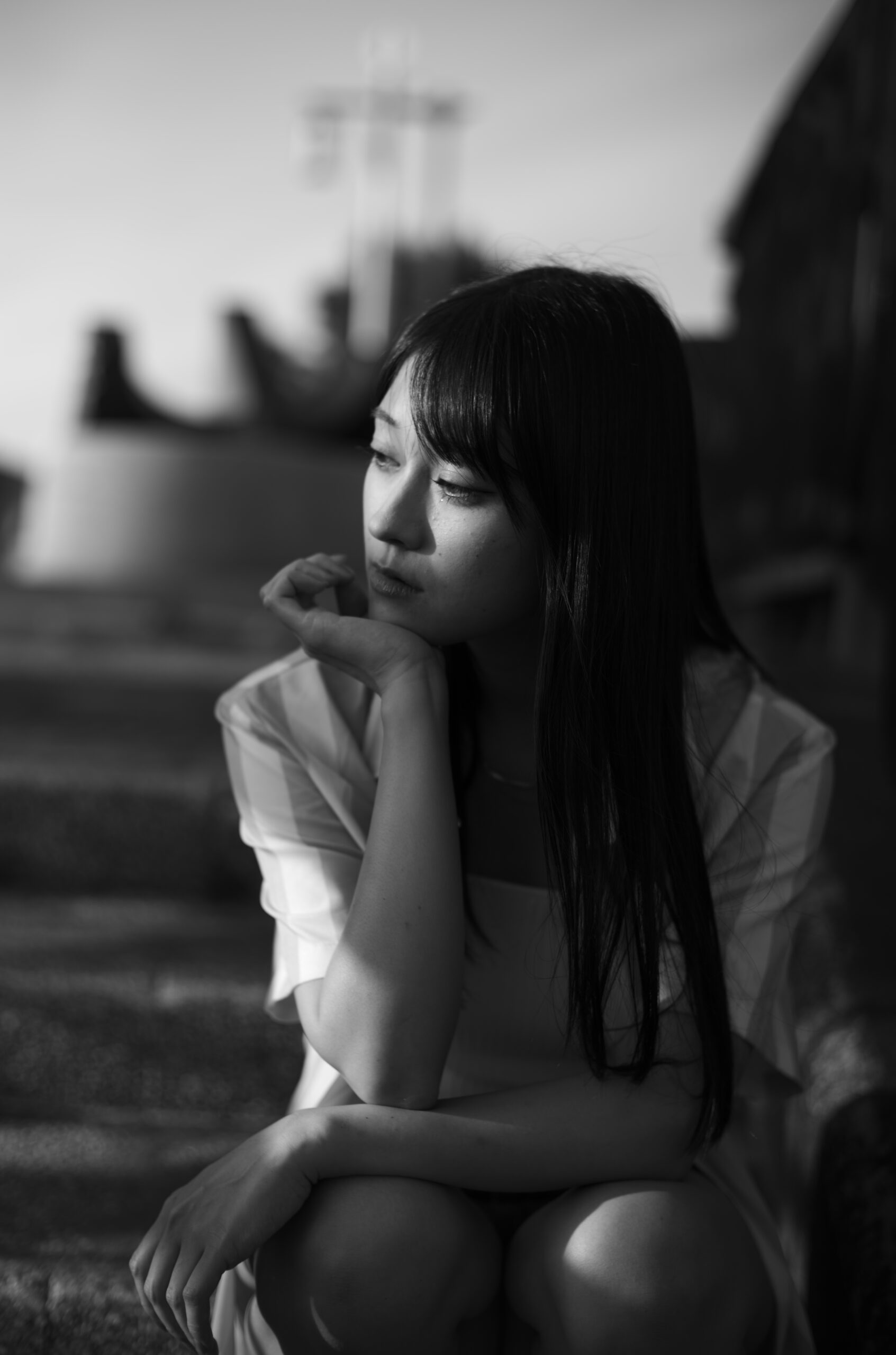
By deliberately incorporating elements of shadow into the frame, I can create a mysterious, captivating atmosphere in the photograph. This effect relies heavily on the model’s inner depth, and it’s precisely because you’re someone who can express that so beautifully that I feel comfortable taking this approach. It’s not something I’d do with just anyone—I actually feel quite hesitant about shooting in black and white with someone I’ve just met.
自分自身が根っからの「陽」な人間ではないからこそ(笑)、ただ明るく綺麗な「陽」の部分だけでなく、人間の持つ「陰」の部分も、一枚の四角い写真の中に一緒に閉じ込めていきたい。
Because I am not naturally a sunny, extroverted person myself (laughs), I want to capture more than just the bright, pristine “light” of existence. I want to lock the inherently human elements of “darkness” into that single, square frame alongside it.
余計な色に邪魔されないからこそ、その「陰」のニュアンスがよりダイレクトに、ストレートに伝わる。だからこそ、自分はカラーよりもモノクロの写真に、これほど強く惹かれてしまうのかもしれません。
Because you aren’t distracted by superfluous color data, the nuance of that “darkness” communicates itself with raw, unfiltered immediacy. Perhaps that is why I find myself so fiercely drawn to monochrome over color.
現代のSNSなどでは、モノクロ写真はあまり「ウケが良くない」傾向にありますが(笑)、それでもやっぱり、モノクロって本当に良いものですね。
In today’s social media landscape, black and white photos don’t usually perform that well (laughs), but even so… monochrome truly is something special.
では、また。
Until next time.
コメント